Owning rental property in Atlanta comes with its share of surprises. A leaking faucet, a noise complaint, a late rent payment, any of these can spiral into a bigger headache if left unattended. The difference between a minor inconvenience and a full-blown crisis often comes down to how quickly and effectively a property manager steps in.
Experienced property managers in Atlanta understand that resolving problems early protects both the owner's investment and the tenant's experience. This proactive approach keeps properties running smoothly, tenants satisfied, and owners free from constant stress. In this blog, we will walk through the practical strategies property managers use to catch issues early and prevent them from becoming expensive, time-consuming problems.
Key Takeaways
Regular property inspections help catch small problems before they become costly repairs.
Clear communication channels between tenants and management prevent misunderstandings from escalating.
Fast response times to maintenance requests reduce tenant turnover and protect property value.
Organized financial tracking allows owners to spot irregularities before they become larger issues.
Why Early Problem Resolution Matters for Atlanta Property Owners
Atlanta's rental market is competitive, and tenants have plenty of options if they feel their concerns are being ignored. When small issues go unaddressed, they tend to grow. A minor plumbing leak can turn into water damage. An unresolved noise complaint that can lead a tenant to break their lease early. These situations cost owners money in repairs, legal fees, and lost rental income.
Property managers who prioritize early intervention protect owners from these outcomes. They understand that a stitch in time truly does save nine, especially in a market where vacancy rates and repair costs can quickly eat into profits.
Routine Inspections Catch Problems Before They Grow
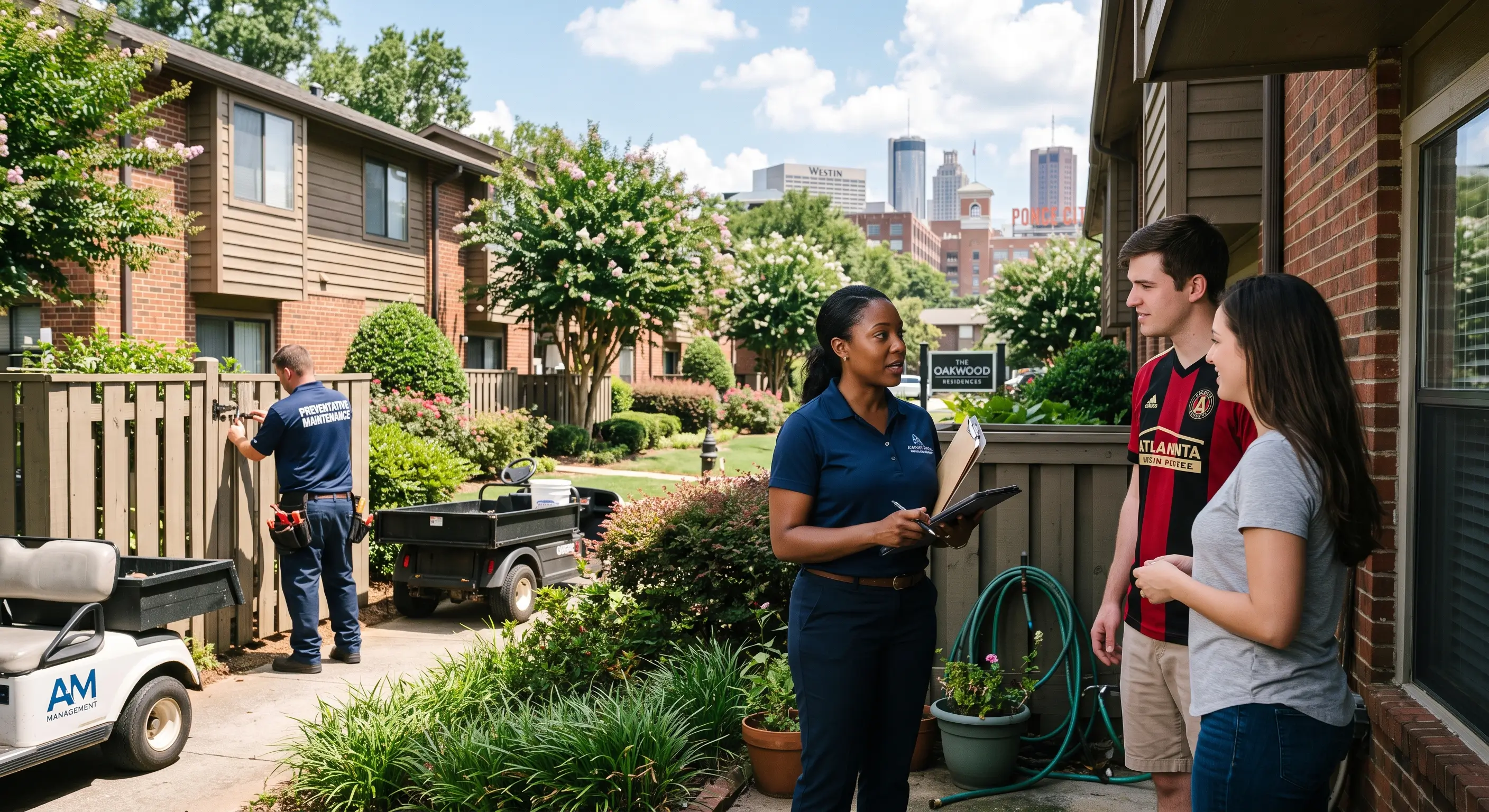
One of the most effective tools property managers use is the routine inspection. Walking through a property on a regular schedule allows managers to spot warning signs that tenants might not think to report, such as a slow drain, a flickering light, or early signs of pest activity.
These inspections are not about catching tenants doing something wrong. They are about identifying wear and tear before it becomes a bigger repair. A property manager who notices a small roof leak during a routine inspection can schedule a repair before it causes water damage inside the unit. Owners who work with a dependable team for ongoing upkeep and repairs benefit from this consistent oversight, as issues are flagged and addressed long before tenants even notice them.
Open Communication Keeps Small Concerns From Becoming Big Disputes
Tenants who feel heard are far less likely to escalate a complaint into a formal dispute or legal action. Property managers who set up clear, accessible communication channels give tenants an easy way to report issues as soon as they notice them.
This might look like a dedicated maintenance request portal, a responsive phone line, or regular check-ins during the lease term. When tenants know their concerns will be addressed promptly, they are more likely to report problems early rather than letting frustration build. This also gives property managers the chance to explain policies or resolve misunderstandings before they turn into bigger conflicts.
Fast Maintenance Response Protects Property Value and Tenant Retention
Each time a tenant moves out, property owners face a series of costs, including advertising, cleaning, and repairs. These expenses can add up quickly, especially in competitive rental markets like Atlanta. Retaining tenants helps avoid these recurring costs and keeps your property generating income without interruption. Partnering with a reliable maintenance and repair team ensures your property remains in excellent condition, encouraging tenants to renew their leases rather than search for a better-maintained option elsewhere.
Slow response times to maintenance requests are one of the top reasons tenants choose not to renew a lease. A property manager who dispatches a technician within a day or two, rather than letting a request sit for weeks, sends a clear message that tenant concerns are taken seriously.
Financial Oversight Prevents Small Errors From Becoming Big Problems
Issues do not only show up in the physical condition of a property. They can also appear in the numbers. Late payments, missed fees, or discrepancies in expense tracking can snowball if they are not caught quickly. A well-organized approach to rent collection and expense reporting gives owners a clear, accurate picture of how their property is performing at all times. Working with a team that handles detailed financial reporting and bookkeeping helps owners catch irregularities early, whether that means a tenant falling behind on payments or an unexpected spike in repair costs, before they turn into larger financial setbacks.
Property managers who keep financial records organized and up to date can flag these patterns quickly and take action, whether that means reaching out to a tenant about a missed payment or adjusting a budget line before it grows into a larger shortfall.
FAQs
1. How often should a rental property be inspected?
Most property managers recommend inspections at least twice a year, though properties with higher tenant turnover or older systems may benefit from more frequent checks.
2. What should I do if a tenant reports the same issue multiple times?
Recurring complaints usually signal an underlying problem that needs a permanent fix rather than a temporary patch, so it is worth having a professional assess the root cause.
3. Can proactive property management actually save money? Yes. Addressing small maintenance and communication issues early is almost always less expensive than dealing with major repairs, legal disputes, or tenant turnover later on.
Why is tenant communication so important in preventing escalation? Tenants who feel ignored are more likely to withhold rent, file complaints, or break their lease, so clear and responsive communication helps resolve concerns before they escalate.
Partner With HNN Atlanta to Keep Your Property Running Smoothly
Staying ahead of problems requires consistent attention, organized systems, and a team that can spot warning signs before they become costly setbacks. From routine inspections to fast maintenance response and clear financial tracking, the right approach protects both your property and your peace of mind.
HNN Atlanta helps property owners across the city manage these details so small issues never turn into big ones. If you are ready to take a more proactive approach to managing your rental property, reach out to our team today to learn how we can help.
